If you need heating and cooling without sacrificing indoor space, a packaged unit keeps everything in one cabinet outdoors. Instead of a furnace/air handler inside and a condenser outside, a packaged system sits on a slab or roof curb and connects to your supply/return ducts—clean, compact, and easy to service.
What is a Packaged Unit?
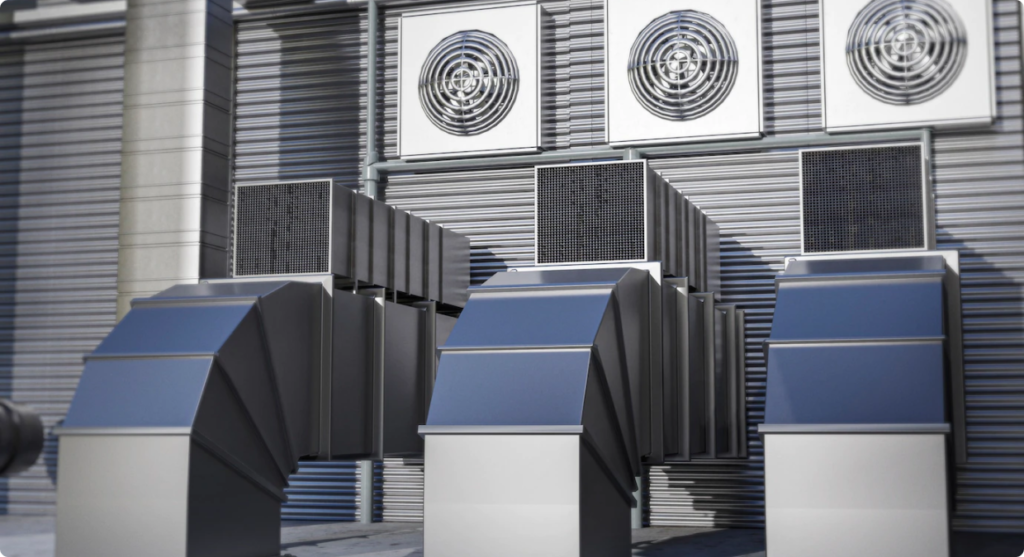
A packaged unit houses the compressor, coil(s), blower, and—if applicable—a gas heat section—all in one weatherproof cabinet set outside the building. Ducts carry conditioned air in and out, so there’s no indoor air handler to squeeze into a closet or attic. This is common for tight homes, additions, small businesses, and rooftop installs.
The Four Main Types (and when they fit)
- Packaged Air Conditioner (AC-only): Cooling + optional electric heat kit. Good for warm climates with light winter needs. (Category overview lists AC packaged units separately.)
- Packaged Heat Pump: All-electric heating and cooling with reversing valve—great for milder winters or where incentives favor electrification.
- Gas/Electric “Gas Pack”: Cooling with a gas furnace section for heat; popular where natural gas is available and winters bite. (Listed as a distinct category on the competitor page.)
- Dual-Fuel Packaged Unit: Uses a heat pump for efficient mild-weather heat, then switches to gas in colder snaps—best of both in variable climates.
Key Specs That Actually Matter
- Tonnage (Capacity): Residential/light-commercial models typically run 1–5 tons; match to load, not just square footage. (Shop-by-tonnage filters show 1 to 6 tons.)
- SEER2 / EER2 / HSPF2: Since Jan 1, 2023, the U.S. uses SEER2/EER2/HSPF2 with tougher M1 testing and regional minimums. Look for compliant or better-than-minimum ratings.
- Orientation & Airflow: Horizontal discharge (common for ground installs) vs. vertical discharge (rooftop). Check static pressure and duct transitions. Example listings call out horizontal discharge and ECM blowers.
- Refrigerant & Components: Modern packaged units feature aluminum coils, ECM indoor blowers, and quiet compressor sections; verify serviceability and warranty support in listings.
Compliance Note (so you don’t get stuck at install)
For installs on or after Jan 1, 2023, equipment must meet new efficiency standards; “sell-through” rules vary by region and product type (stricter for AC in SE/SW). Work with your contractor to ensure the model and date of manufacture/installation line up with DOE rules.
Where Packaged Units Shine
- Tight indoor spaces (no room for a furnace/air handler)
- Rooftop applications where a single curb-mounted cabinet simplifies ducting and service
- Light commercial suites needing straightforward, self-contained comfort
- Retrofits that would otherwise require invasive indoor work
Install Basics You’ll Want Your Pro To Nail
- Roof curb or slab: Rooftop units set on a factory-matched curb; ground units sit on a level pad. Curbs are positioned over structural supports to limit vibration and ensure correct duct alignment.
- Duct transitions: Supply/return should be attached/sealed before setting the unit on the curb; follow SMACNA guidance and insulate field-fabricated panels.
- Electrical & gas (if applicable): Dedicated circuit, correct breaker/disconnect, gas piping to code, and proper condensate handling.
- Startup: Vacuum, charge verification, airflow/static checks, and controls setup (heat pump balance points on dual-fuel).
Maintenance (keep efficiency, keep the warranty happy)
- Filters: Inspect monthly; replace/clean on schedule.
- Coils: Keep outdoor coil clean and debris-free.
- Annual service: Refrigerant, electrical, combustion (gas packs), blower/ECM health, and software/defrost logic on heat pumps.
Quick Picks by Scenario
- Sunbelt shop or home with mild winters: Packaged heat pump.
- Mixed climate with gas on site: Gas/electric packaged unit.
- Variable winters, want efficiency + backup: Dual-fuel packaged unit.
FAQs
Is a packaged unit as efficient as a split system?
It depends on model and duct design. Many packaged units meet current SEER2/EER2/HSPF2 standards; proper sizing/ducts matter as much as nameplate ratings.
Can I put a packaged unit on my roof?
Yes—rooftop installs are common. Use the correct curb, align over structural supports, and keep clear of exhaust stacks and intakes.
What’s the difference between a gas pack and a packaged heat pump?
A gas pack cools like an AC and heats with a gas furnace; a packaged heat pump heats and cools electrically (reversing valve), often with incentives for electrification.